ABOUT US
Sed ut perspiciatis unde omnis iste natus error sit voluptatem
accusantium doloremque laudantium, totam rem aperiam,
GET A FREE QUOTE

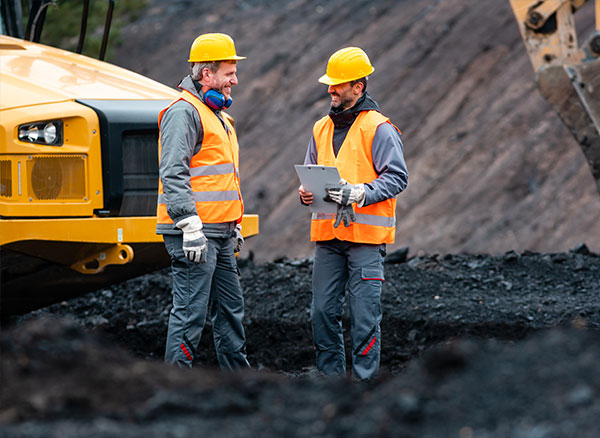
Northern Heavy Industries Φ5200×24500mm drum mixing
Northern Heavy Industries’ Φ5200×24500mm cylindrical mixer, a material-leveling expert in the sintering process of steel mills, will effectively address many of the pain points of traditional mixers after winning the bid and commissioning in 2023. In steel production, the uniformity of material mixing during the sintering process directly impacts sinter quality. This mixer significantly improves production efficiency and quality through three core design optimizations. First, a multi-stage water spray pipe and pre-filtration system are used, with eight sets of independently adjustable water nozzles positioned along the length of the cylinder. These nozzles, combined with the filtration system, remove impurities from the water and prevent nozzle clogging, improving material moisture uniformity from 60% to 95%, reducing sinter composition fluctuations. Second, the roller assembly has been upgraded to self-aligning roller bearings. Special grease is used within the bearings to automatically compensate for cylinder misalignment, reducing wear by 50% and extending service life from 1.5 years to over three years. Third, an intelligent lubrication system uses sensors to monitor bearing temperature and grease levels in real time, automatically replenishing grease when the grease level is low. This extends the equipment maintenance cycle from 5,000 hours to 10,000 hours, reducing maintenance downtime by four times annually. In use at a large steel plant, this mixer has increased sinter production by 25% and reduced energy consumption by 8 kilograms of standard coal per ton of sinter, resulting in annual cost savings exceeding 10 million yuan. It has become a key piece of equipment for cost reduction and efficiency improvement at the steel plant.
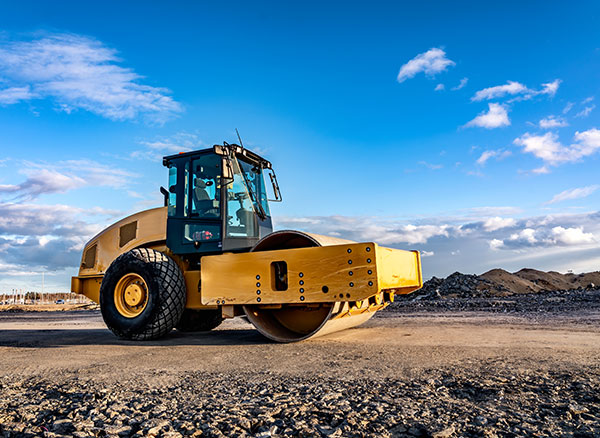
Chufeng High-altitude Platform: A “climbing tool” in muddy areas
Shandong Chufeng Heavy Industry’s crawler aerial work platforms are a powerful tool for complex applications such as construction and municipal maintenance, particularly excelling on uneven surfaces and muddy environments. Their core competitiveness stems from their “crawler chassis + intelligent leveling” design. The tracks are made of high-strength rubber with a deep tooth pattern, providing a contact patch three times larger than a wheeled chassis. This improves grip on muddy surfaces by 60%, allows for a climbing grade of up to 40%, and enables stable operation even on a 35° slope. The “one-touch leveling” feature utilizes four sets of hydraulic outriggers linked to tilt sensors. When the equipment is parked on sloping ground, the sensors detect the tilt angle in real time, and the outriggers automatically extend and retract within 5 seconds, keeping the platform level within 0.5°, ensuring operator safety. Furthermore, the equipment is equipped with Huawei’s “Aftermarket Application Management Platform,” which monitors the location, operating hours, fault codes, and other data of tens of thousands of devices in use in real time. When equipment malfunctions, back-end engineers can remotely diagnose and guide on-site personnel to perform repairs, reducing troubleshooting time from 24 hours to 4 hours. In 2024, the export value of this equipment exceeded RMB 200 million, and it was widely used in infrastructure projects in Southeast Asia, the Middle East and other regions.
MCC Multi-directional Die Forging Line: A “Smart Factory” for Forgings
MCC Heavy Industry has built three multi-directional die forging production lines, creating a “smart factory” for producing complex forgings for high-end equipment. Through “intelligent linkage + precision control,” they have overcome the challenges of producing complex forgings. For example, the 40-meganewton multi-directional die forging line features a fully automated production process. A robotic arm precisely feeds metal billets heated to 1100°C into the die. Three sets of punches then apply pressure simultaneously from different directions, forcing the metal to flow along the die cavity, forming the complex forgings in a single step. This eliminates the multiple forging presses and subsequent processing required by traditional forging. The line’s intelligent monitoring system monitors forging parameters such as pressure, temperature, and time in real time, automatically adjusting any deviations from set values to ensure dimensional accuracy within 0.2 mm. The system also records production data for each forging, enabling full traceability and facilitating subsequent quality inspections. Compared to conventional forgings, the forgings produced by this production line are flash-free and resemble finished parts, reducing subsequent processing time by 60%. They also feature finer metal grains, triple fatigue life, and over 20% improved mechanical properties. Currently, the production line supplies key forgings for wind turbine spindles and nuclear power pressure vessels for wind power, nuclear power, and aviation, driving the intelligent and domestically produced manufacturing of high-end forgings in my country.
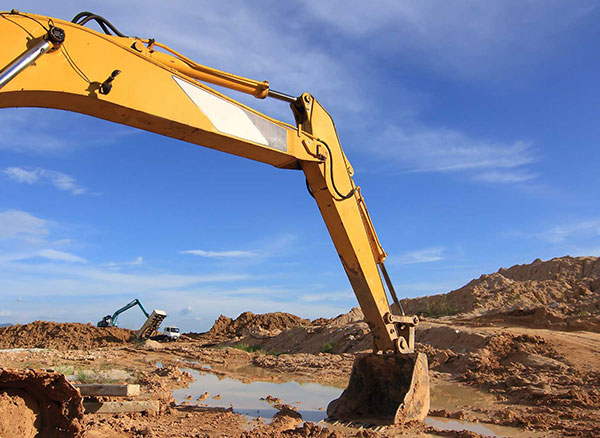
Northern Crop Shear: The “Precision Benchmark” for Steel Shearing
Northern Heavy Industries’ 5.5-meter cropping shear and cut-to-length shear are the “precision benchmark” in the steel rolling process. Leveraging a “rolling-cut design + intelligent control,” they significantly improve steel yields. During the steel rolling process, these shears must precisely cut steel billets to the specified length. Traditional flat-blade shears are prone to burrs and bends. This equipment, however, utilizes the cutting-edge rolling shearing principle. The upper and lower blades rotate and roll to shear the billets, achieving a shearing accuracy of 0.1 mm. It can shear large billets up to 80 mm thick and 5.5 meters wide. To enhance equipment stability, the hydraulic system utilizes an electro-hydraulic proportional valve + closed-loop control to adjust the shearing force in real time. It automatically adjusts pressure when billet hardness fluctuates to prevent blade breakage. The modular design divides the equipment into modules: the shearing unit, transmission unit, and control system. Failure of any module can be individually disassembled and replaced, reducing maintenance time from 72 hours to 12 hours and increasing equipment utilization by over 30%. Furthermore, the energy management system improves the equipment’s overall energy efficiency by 15% by optimizing operating parameters. In use at a large steel company, this equipment has increased the steel shearing qualification rate from 95% to 99.8%, reducing steel waste by over 1,000 tons annually. This provides strong support for cost reduction and efficiency improvement for the steel company and fills a gap in the domestic production of high-end shearing equipment in my country’s steel and metallurgical industry.